
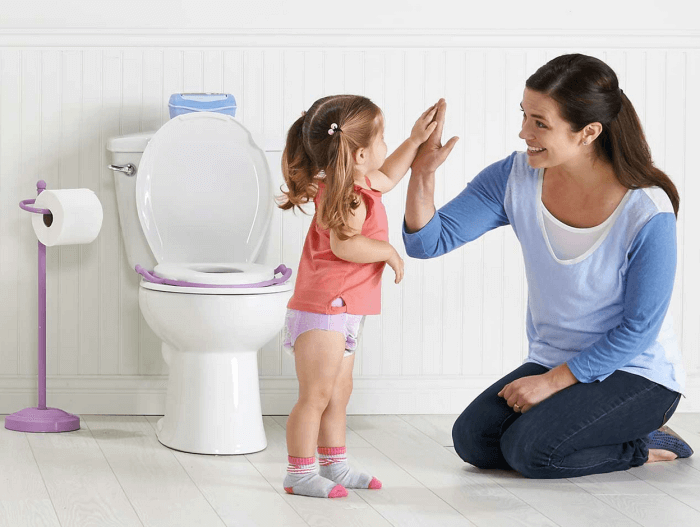
Why Potty Training Helps in School
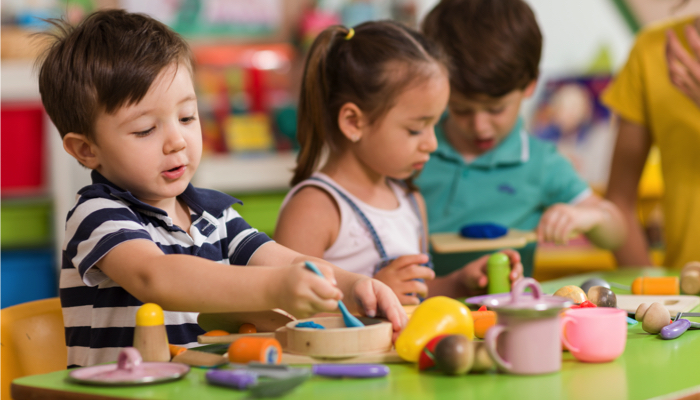
- Boosts confidence: Kids feel proud when they can do it themselves, which helps them approach new challenges with more independence.
- More time for fun: Fewer worries about accidents mean more time for playing, learning, and joining in activities with friends.
- Supports routines: Feeling comfortable with bathroom habits helps children settle into the school day more easily
Tips & Tricks for Parents
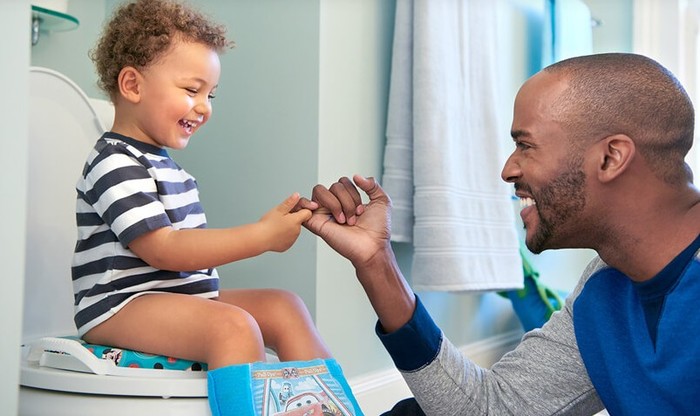
Practice at home
Try building potty breaks into your daily routine—before leaving the house, after meals, or before naps. Regular practice helps kids recognize when it’s time to go.
Choose clothes that work
Elastic-waist pants or leggings make things much easier for little ones than tricky zippers or belts. Practicing in school-style clothes builds confidence.
Keep it positive
Celebrate small successes with high-fives, stickers, or a silly song. A little encouragement makes a big difference.
Talk about school bathrooms
For many kids, using a new bathroom feels big and a little intimidating. Reading potty-themed books or even walking through the school bathroom together can make it less scary.
Stay calm about accidents
Accidents are just part of learning. A calm, reassuring response lets your child know it’s no big deal and encourages them to try again next time.
Quick Checklist for Parents
- Pack an extra set of clothes (including socks and underwear) in your child’s backpack.
- Encourage your child to practice wiping, flushing, and washing hands independently.
- Send them in easy-on, easy-off clothing to make bathroom time smoother.
- Slip a small plastic bag or wet bag into their backpack for accident clean-ups—simple and discreet.
Helpful Resources
Books for Kids: Potty by Leslie Patricelli, Everyone Poops by Taro Gomi, P is for Potty! (Sesame Street).
Parent Guides:
Songs & Videos: Potty songs and kid-friendly routines can make bathroom time feel fun and less stressful..
A Final Word of Encouragement
Potty training isn’t about perfection—it’s about progress. Some children master it quickly, while others need more time, and that’s completely normal. What matters most is patience, consistency, and encouragement. With a little practice at home and support at school, your child will feel more confident and ready for all the adventures that school has to offer.





 LAKEWISE