

At Our Lady of the Lake School, we know that every child brings something special to the classroom. But too often, children are measured against a “standard” mold—sitting still, following instructions perfectly, and keeping everything organized. Children with ADHD (Attention-Deficit/Hyperactivity Disorder) may look or behave differently, and that’s not a deficit—it’s a difference. By understanding these differences, we can better appreciate the creativity, resilience, energy, and unique perspectives they bring to learning and life.
What We Mean by “Cookie-Cutter Kids”
Some children naturally align with traditional expectations for behavior, attention, and organization. They may:
- Sit quietly in class
- Follow instructions with ease
- Stay organized with materials and assignments
- Transition smoothly between tasks
- Maintain predictable focus
These children thrive in environments built around these expectations.
How Children with ADHD May Differ

Children with ADHD may show different patterns of attention and behavior:
Inattention – Difficulty focusing, getting easily distracted, misplacing items, or struggling with organization.
Hyperactivity / Impulsivity – Restlessness, excessive talking, interrupting, or acting before thinking.
Combined Presentation – Many children show both inattentive and hyperactive-impulsive traits.
Gender Differences: Boys often display more noticeable external behaviors like hyperactivity, while girls may show subtler signs, such as daydreaming or difficulty organizing, which can lead to underdiagnosis.
Challenges They May Face
Children with ADHD may encounter obstacles in traditional settings:
- Frustration with structured classrooms
- Emotional challenges, including low self-esteem
- Social misunderstandings due to impulsive actions or missed cues
- Difficulty with organization and multi-step instructions
Recognizing Strengths
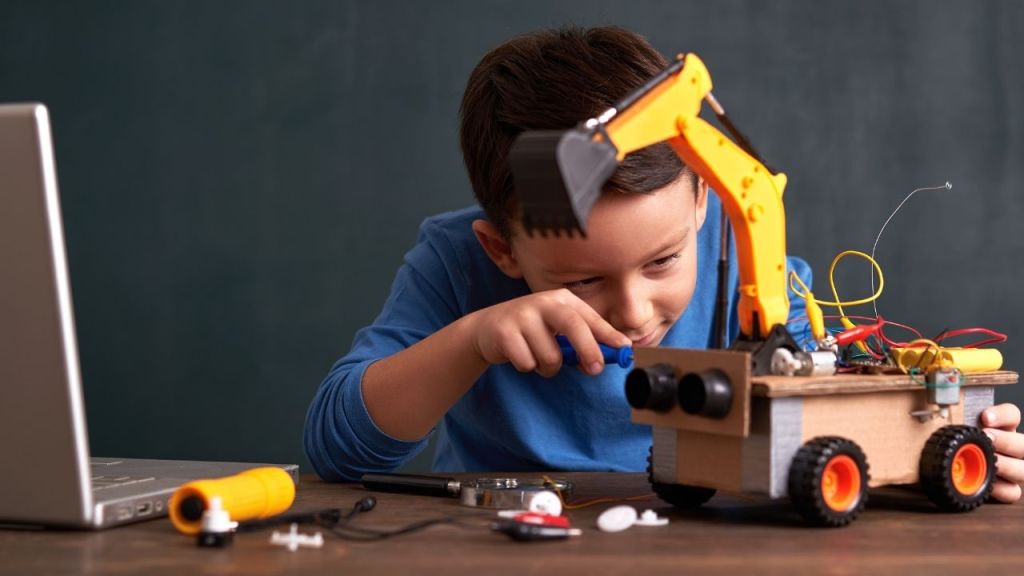
ADHD also comes with unique strengths:
- Resilience & Adaptability: Many children develop strong coping strategies and bounce back from setbacks.
- Creativity & Innovative Thinking: They often generate ideas and connections others might miss.
- Hyperfocus: When interested in a topic, children with ADHD can concentrate deeply and achieve great results.
- High Energy & Passion: Their enthusiasm can be a powerful asset in sports, hands-on projects, and interactive learning.
Rethinking Expectations
Rigid standards can overlook the gifts of children who learn or behave differently. Helpful approaches include:
- Flexible classroom structures, including movement breaks and hands-on learning
- Strength-based thinking: focusing on what children do well and what motivates them
- Open communication between parents, teachers, and students to set realistic goals
- Support tools like organizational aids, planning help, and varied tasks
Conclusion
The idea of “cookie-cutter kids” only works if the mold is flexible. Children with ADHD may not fit traditional expectations—but their differences bring creativity, resilience, energy, and unique perspectives. By asking, “What strengths does this child bring, and how can we support them?” we create an environment where all children can thrive.
We’d love to hear from you: What unique strengths or talents have you noticed in the children in your life that might not fit the “standard mold”?





 LAKEWISE
Leave a comment